

A bumpy flight and a peer-to-peer rental crash create different questions, but both reward prompt reporting, careful records, and realistic insurance expectations.
A traveler can land at John Wayne Airport, collect a peer-to-peer rental, and reach Newport Beach within minutes on MacArthur Boulevard or Jamboree Road. Another passenger may arrive that afternoon after a rough descent sent an unsecured phone, bag, or person into a seat or cabin surface. The settings seem unrelated: one incident happens in the air, the other on Orange County streets. Yet both can leave an injured traveler reconstructing a fast event while plans, receipts, messages, and memories are already scattering.
The first problem is not deciding who should pay. It is identifying which system created each record. Airlines keep operational and cabin information. Airport transactions may produce pickup data. A peer-to-peer platform records the reservation, protection selection, check-in images, messages, and trip times. Police, responders, medical providers, witnesses, vehicle owners, and other drivers may each hold a different piece. Missing one source can make a simple event appear uncertain later.
John Wayne Airport reported 953,260 passengers in May 2026, with Southwest Airlines carrying the largest share at 258,209. Most trips end without injury, but the volume makes travel incidents more than an abstract possibility. After a serious in-flight event or a shared-vehicle crash, accurate early records help insurers, investigators, and courts separate what happened from what was assumed.
A busy gateway with layered risks
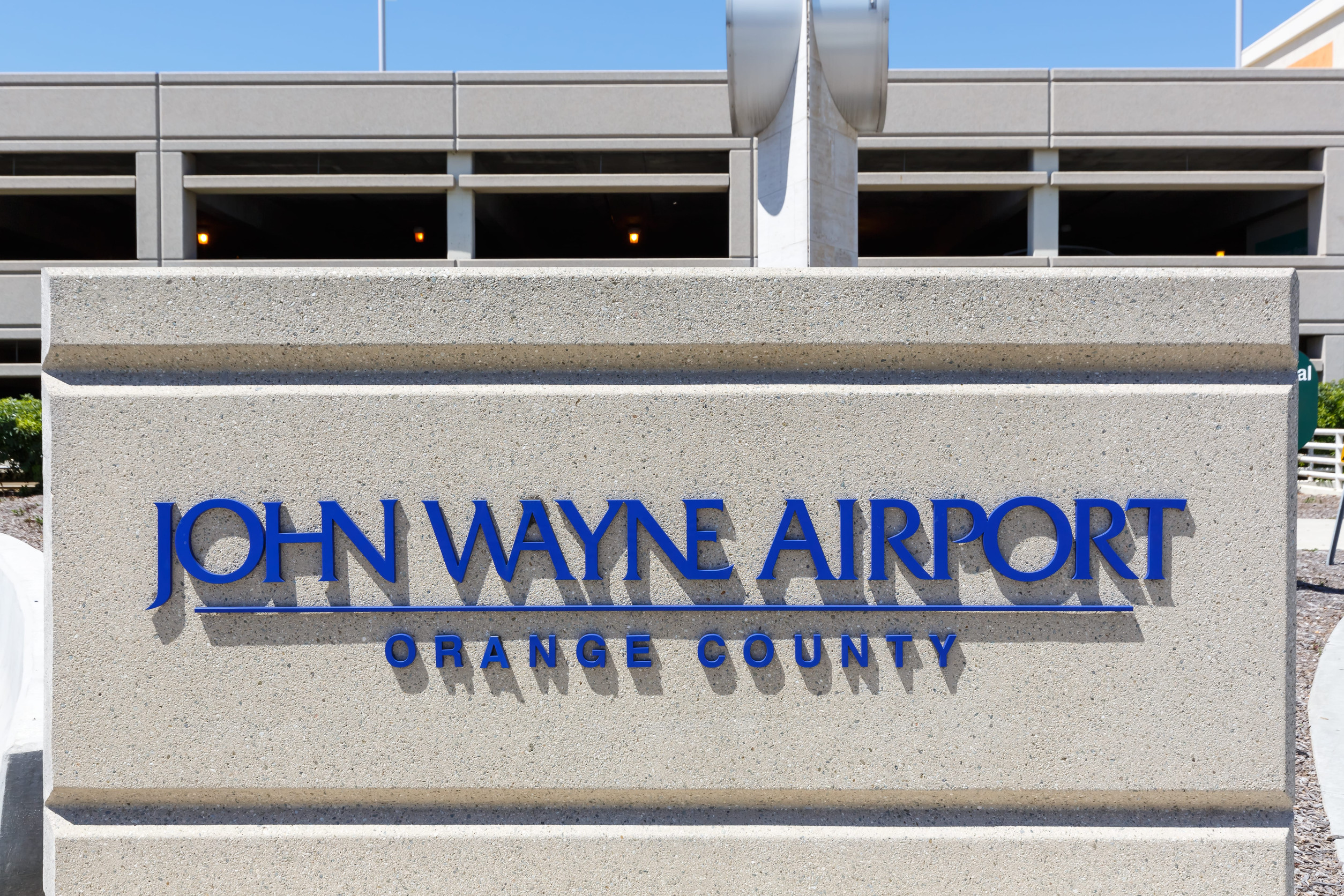
John Wayne Airport is a compact gateway whose travel network reaches beyond the terminal. The airport says it serves more than 11.3 million passengers a year and more than 40 nonstop destinations. Arrivals connect to shuttles, private pickups, taxis, app-based rides, traditional rentals, and vehicles booked from local owners.
Orange County’s Board of Supervisors approved a new Turo license in May 2025, allowing peer-to-peer vehicle sharing to continue at the airport. The choice also adds a separate digital transaction. A collision may involve the guest driver, host, another motorist, the platform’s protection plan, and one or more personal auto policies.
Air travel has its own layers. The FAA says turbulence is common, can occur in clear skies, and may arrive with little warning. A bumpy flight does not prove carelessness by itself. Useful questions concern what the crew knew, what warnings were given, whether passengers followed instructions, how the cabin was secured, and how the event was documented.
Why travel incidents split into systems
A conventional rental company usually owns or controls its vehicles. Peer-to-peer sharing divides those roles. A private host owns the car, an app arranges the trip, and the guest may choose protection that differs from ordinary auto insurance. California law also allows an owner’s insurer to exclude coverage while the car is used through a personal vehicle-sharing program.
A Texas law-firm overview of Turo accident claims focuses on insurance, vehicle condition, other drivers, and possible responsibility among several parties. It is not California-specific authority, but the recurring issues show why a shared-car crash should not be treated as an ordinary rental file before the reservation terms and policy language are checked.
An in-flight injury differs sharply from a roadway collision. Weather data, pilot reports, the seat belt sign, crew announcements, cabin service, passenger conduct, and timing may matter. The airline or federal systems control some information; the passenger controls photos, witness details, travel documents, and medical records.
Injury reports shape the first record
Travelers may minimize symptoms to reach a hotel, meeting, or family event. Others describe every sensation before they understand what occurred. Either reaction can create confusion. A better record uses simple observations: where the person was, what moved or struck them, what symptoms began, who received the report, and what help was offered.
On a flight, identify the flight number, date, route, seat, approximate time, and crew member told. In a shared vehicle, record the reservation number, license plate, vehicle identification number if available, pickup location, trip status, and platform claim number. These details connect the person’s account to records created by others.
Medical records document complaints, examination findings, testing, advice, and follow-up, not legal fault. A traveler should describe the event accurately and avoid guessing about a diagnosis. Later care is easier to understand when the timeline explains when discomfort started, how it changed, and whether another event intervened.
Digital evidence can disappear quickly
Phones make documentation easier, but digital proof is fragile. Messages can be buried, reservation screens can change after a trip closes, and copied photos may lose context. Preserve original files, capture the full conversation, and save documents in more than one place. Cropped screenshots are less useful when they omit dates, names, or trip status.
California Insurance Code Section 11580.24 requires a personal vehicle-sharing program to keep electronic records of the date, time, initial and final locations, and miles driven during shared use. Those records can help define when platform responsibility began and ended. They do not replace scene photos, witness accounts, repair information, or evidence about another driver.
Before founding Joe I. Zaid & Associates, the Texas attorney spent nearly a decade inside a major insurance company. That background is relevant because adjusters compare timestamps, policy terms, medical documentation, property damage, statements, and gaps between records. They do not evaluate a file from the traveler’s summary alone, and a missing document can become as significant as one that exists.
Airline records present a different problem. A passenger may not know which report was created or how long operational data will remain available. A written request identifying the flight, seat, event time, and reported injury is more useful than a broad demand. Keep the boarding pass, itinerary, baggage records, and any airline response.
Build a clean incident record
The best immediate response is orderly rather than dramatic. Safety comes first, followed by a record that makes sense to someone who was not present. The same six steps work for many airport-related incidents, adjusted for a cabin event or road collision.
Move to safety and report the event to the right person. On a flight, notify a crew member before leaving when possible. After a roadway crash, call emergency services when injuries, traffic danger, major damage, or disputed conduct justify an official response.
Record key identifiers. Save the flight number, route, seat, and crew contact, or the shared-car reservation, license plate, pickup location, host information, and trip status. Write the approximate time while it is fresh.
Preserve original digital material. Keep the itinerary, boarding pass, app reservation, protection selection, messages, check-in photos, receipts, and claim confirmations. Save copies without editing the originals, and do not rely on a single phone.
Photograph conditions without interfering with safety or operations. Useful images include vehicle positions, damage, road markings, dashboard warnings, visible injuries, broken cabin items, or the seat area. Ask witnesses for names and reliable contact details rather than lengthy statements.
Obtain appropriate medical evaluation when symptoms or circumstances call for it. Describe the mechanism and timing accurately, follow the provider’s instructions, and keep discharge papers, bills, and work notes. Do not add a diagnosis that has not been made.
Notify the airline, platform, and relevant insurers with a factual account. Keep each confirmation and claim number. Avoid guessing about speed, weather, fault, or coverage, and correct a material mistake in writing rather than letting an inaccurate report stand.
A clean file does not require perfect recall. It requires prompt, honest details and a method for keeping them together. A dated note listing unanswered questions can be more credible than a later explanation shaped by assumptions or other conversations.
Deadlines and coverage depend on jurisdiction
California generally allows two years for an action alleging injury or death caused by another’s wrongful act or neglect. The rule has exceptions. A claim involving a California public entity may require formal presentation within six months, and different periods can apply to minors, delayed discovery, federal claims, or incidents outside the state.
Airline cases can add questions about federal aviation rules, departure and arrival points, ticket terms, and international treaties. A Texas law-firm overview of Southwest Airlines turbulence injury claims identifies possible evidence and negligence theories, but it is not California law or proof that every turbulence injury creates liability. The route and facts control.
John Wayne Airport is owned by the County of Orange. That does not make the county responsible for every event connected to a trip, and a Turo or airline incident usually involves private actors. Still, when a claim actually alleges negligence by a public entity or employee, the six-month presentation rule can matter before the ordinary lawsuit deadline.
Coverage also depends on timing and status. In a shared-car crash, insurers may ask when the reservation started, who controlled the vehicle, whether the driver was authorized, and which protection applied. Airline matters involve different coverage. Advice should come from a lawyer licensed in the state or jurisdiction governing the incident.
Safer trips begin with simple habits
The FAA’s simplest turbulence advice is practical: keep the seat belt buckled whenever seated, listen to the crew, and secure carry-on items. The sign may be off when unexpected air movement begins. Passengers should wear the belt low and snug while remaining comfortable.
Shared-car users can reduce uncertainty before leaving the airport. Confirm the pickup method, photograph all sides, record the fuel or charge level and odometer, test lights and signals, note dashboard warnings, and report visible damage through the app. Those steps create a clear starting point for guest and host.
After an incident, the goal is not a dramatic story. It is an accurate one. Around John Wayne Airport and Newport Beach, a flight record, platform record, police report, medical note, and witness message may each describe only part of the event. Agreement on time, place, and sequence makes decisions about safety, insurance, and next steps easier.