
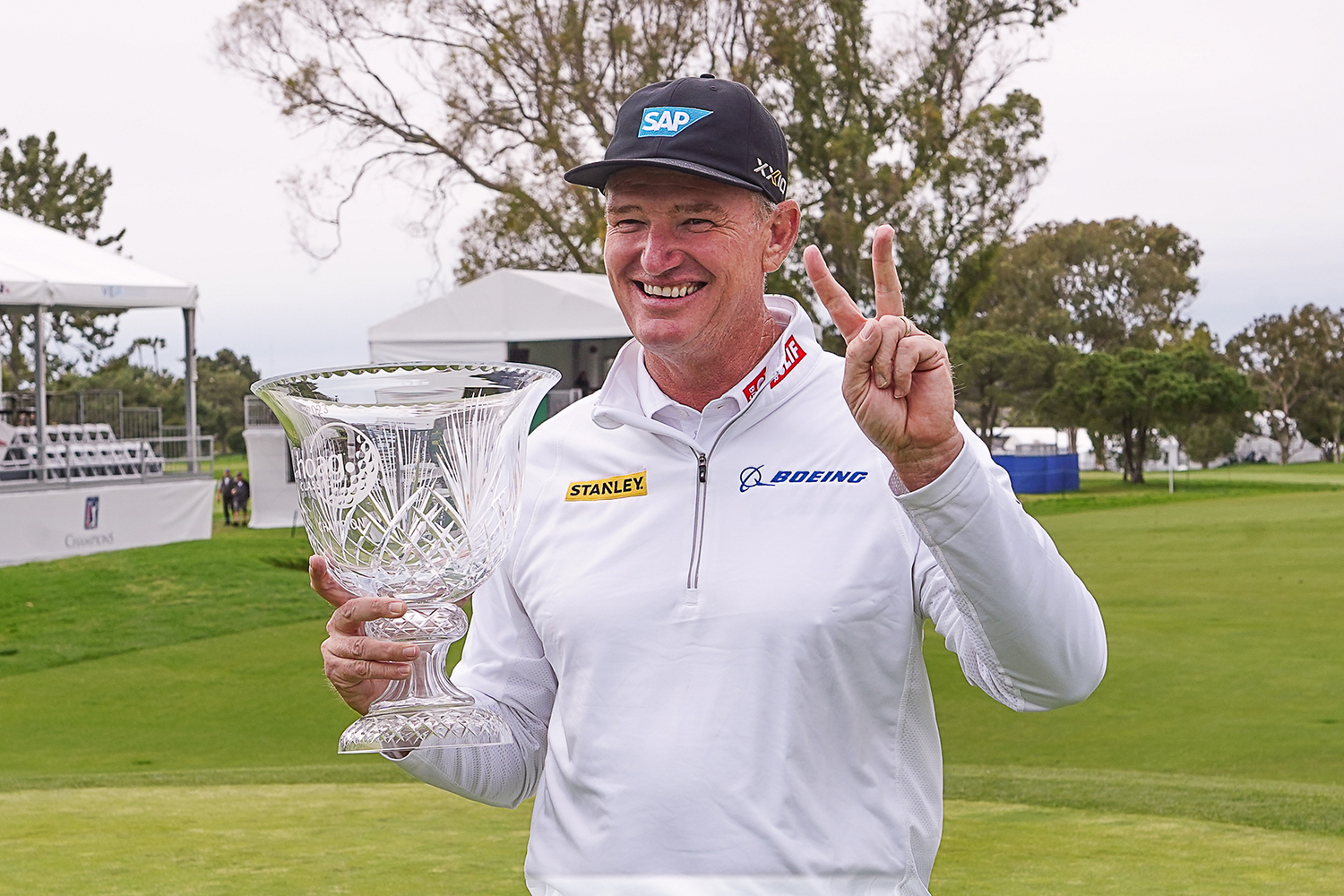
As the Hoag Classic approaches and PGA TOUR Champions (golfers aged 50 and over) descend upon Newport Beach March 22-29, one Hoag physician will be paying less attention to swing mechanics and more attention to what golf reveals about long-term health and longevity.
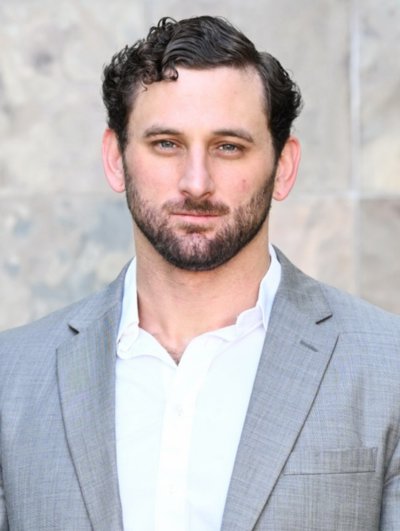
“Golfers offer a powerful lesson in longevity: peak performance isn’t about intensity alone,” said Andrew Mock, MD, Medical Director of Hoag Compass and reigning four-time California Strongman. “It’s about consistency, adaptability, and longevity of movement preserving the ability to move well over a round, a season, and decades.”
From a medical and lifestyle-medicine perspective, golf checks nearly every box. It combines regular physical activity, balance and coordination, cognitive engagement, stress management, and social connection. These are consistently associated with healthier aging and longer life.
Dr. Mock breaks it down to golf’s fundamentals: Sustainable movement. The walking, controlled swinging and regular play that golfers sustain over decades reflect what preventive medicine aims for clinically: moderate, repeatable activity that protects joints, maintains muscle, supports cardiovascular health, and preserves power.
“The research supports the fact that regular, moderate physical activity improves heart health, reduces chronic disease risk, and supports functional independence as we age,” Dr. Mock said. “Think about the way golfers stick with their sport well into their 80s and 90s. There are not many sports that can claim the same.”
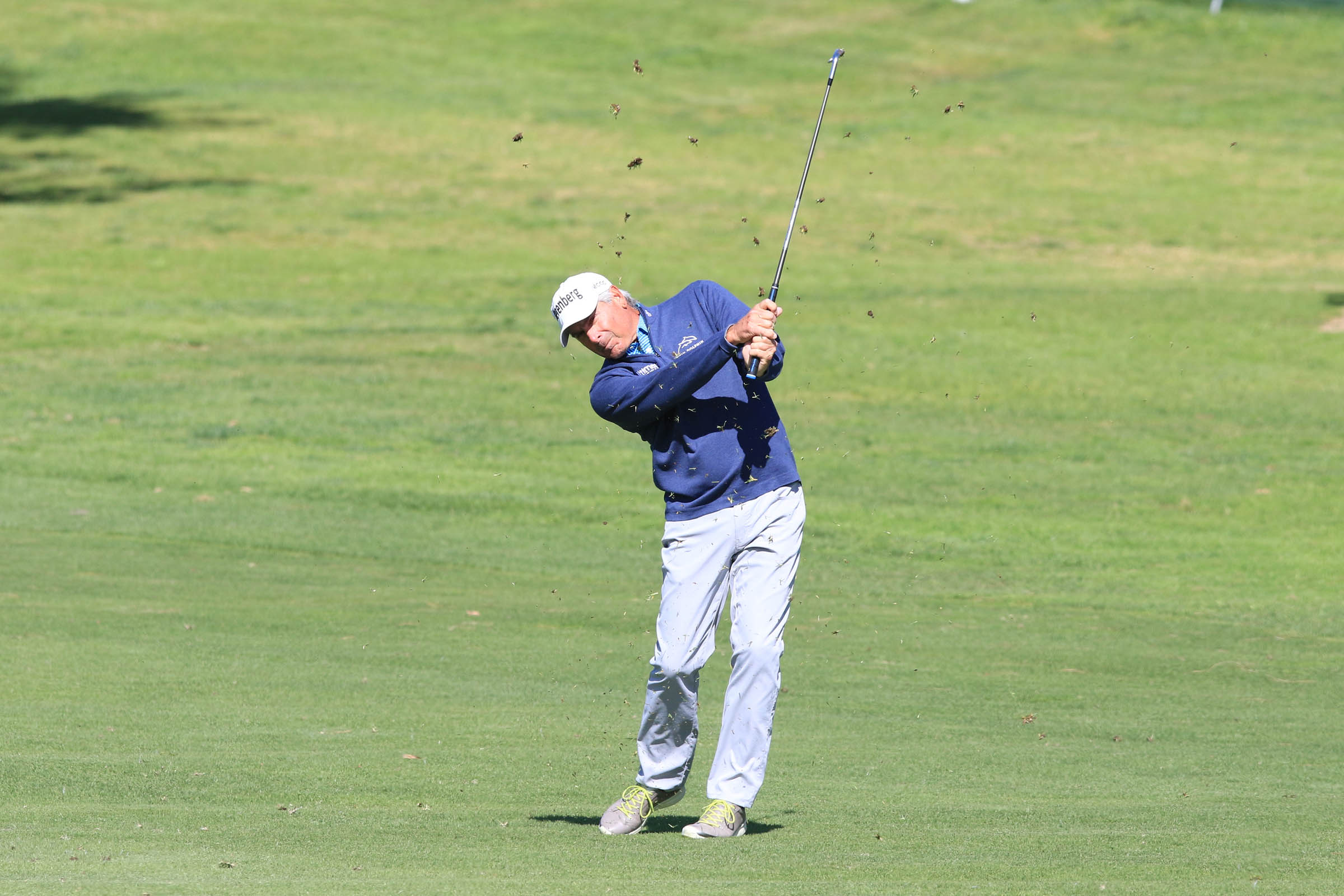
Golf is also reliant upon rotational power, grip strength, balance, and core stability—the same attributes that are critical predictors of longevity.
“Tools like grip strength and lower body strength testing are practical, reliable ways to assess fall risk and future independence,” Dr. Mock said. “They aren’t direct measures of power, but they reveal the reserve a person needs to generate force quickly when it matters. Without that reserve, reaction speed and balance recovery begin to break down.”
Performance pacing is also important for golf. Exercise is good for us, but how much and what type?
Most guidelines point to a combination of regular aerobic activity and strength training, with enough recovery to maintain those habits consistently. Golf naturally satisfies much of the aerobic component through walking and sustained movement over several hours. Adding strength training complements golf by reducing injury risk and improving overall health.
“Between brisk walking, recovery between shots and adapting to changing conditions, golf offers the type of balance we talk about with our patients,” Dr. Mock said. “That balance is essential for metabolic health, injury prevention, and sustained performance.”
Golf is also a demanding mental sport, challenging players’ focus, emotional regulation, and decision-making capabilities, all important factors in healthy aging and longevity.
“Cognitive engagement paired with physical movement is a powerful combination for brain health,” Dr. Mock said.
According to Dr. Mock, golf reinforces something medicine often underestimates: connection. Playing with others, belonging to a community, and having a reason to show up week after week supports long term health. And golf delivers that connection in an outdoor setting shown to reduce stress, improve mental health, and support overall well-being.
“Social isolation is a major health risk, with mortality effects comparable to smoking 15 cigarettes a day,” Dr. Mock said. “Golf is a naturally social sport, and golfers tend to stay connected to one another well into old age.”
As players from around the world arrive for the Hoag Classic, they’ll be sharing more than a competition. They’ll be modeling a prescription for longevity, one built on movement, connection, balance, and the ability to keep playing the long game.