
A famous opera and a famous Broadway musical are being staged over back-to-back weekends this month by the Pacific Symphony at Segerstrom Center, and both are must-see events.
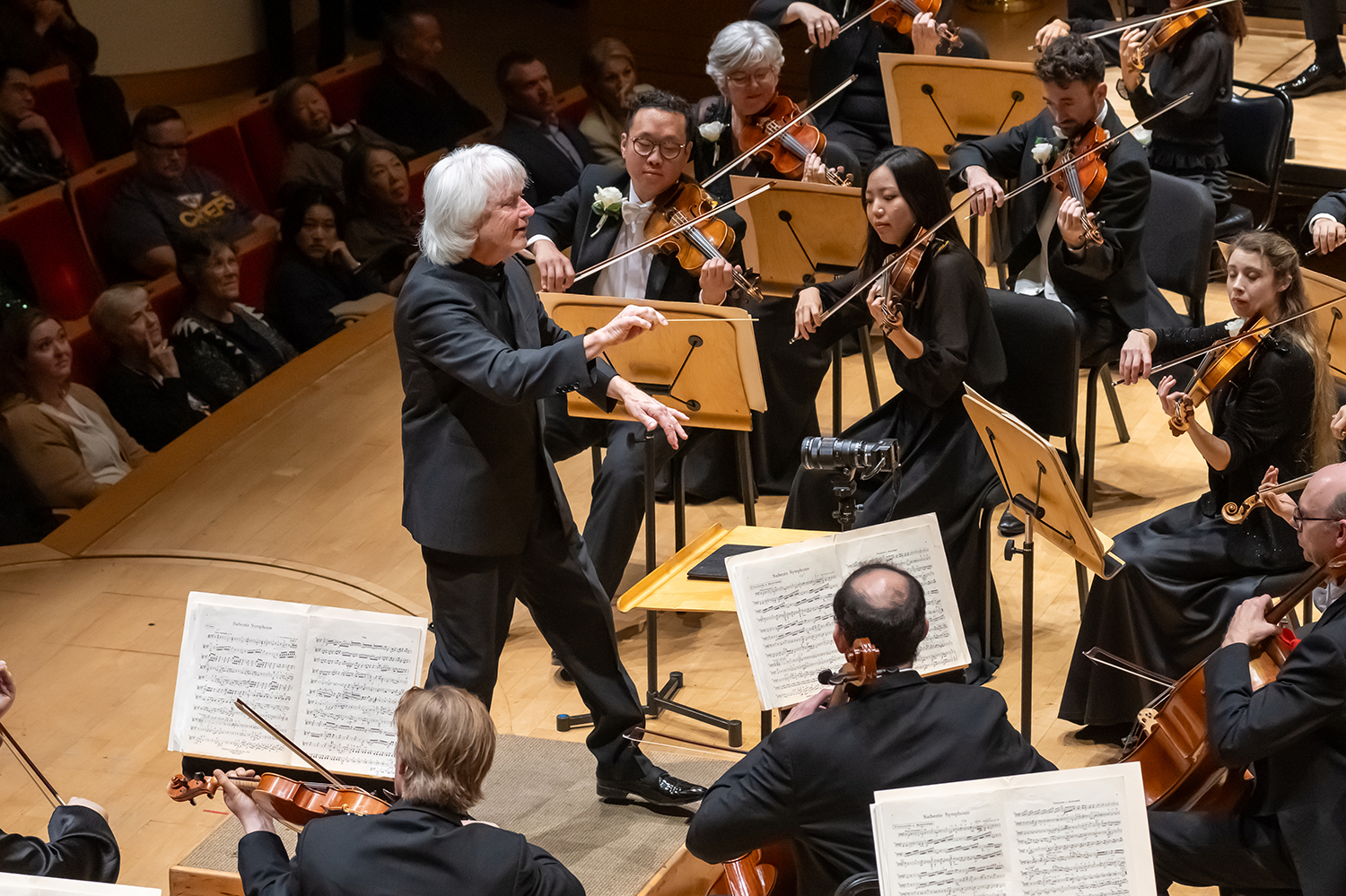
First up is Puccini’s final opera, “Turandot,” conducted by Pacific Symphony Music Director Laureate Carl St.Clair and featuring Pacific Symphony, acclaimed vocal ensemble Pacific Chorale, Southern California Children’s Chorus and an international cast of vocalists.
Together, they bring Puccini’s mythical tale of riddles, sacrifice and redemption to life for three performances: April 16, 18 and 21 at 8 p.m. in the Renée and Henry Segerstrom Concert Hall. All three performances include a preview talk with Classical California host Alan Chapman at 7 p.m. Tickets are $36-$175.
According to notes from Pacific Symphony, stage director Eric Einhorn, he has envisioned the design to have a Western medieval aesthetic with creative use of costumes, dramatic lighting and puppetry, including shadow puppets on an overarching moon. The opera will be framed with a child reading from a storybook and have a larger-than-life look for audience members to experience the story through the child’s eyes.
Presented in the Symphony’s signature semi-staged format, the production places the full orchestra onstage surrounding the cast with the sweeping sound of Puccini’s score that includes “Nessun Dorma,” made famous by, well, almost any noted tenor you choose (Luciano Pavarotti’s rendition is legendary).
“Turandot” has its premiere in April 1926—almost 100 years to the date of the Pacific Symphony performance. It still stands as one of the most monumental works in the operatic repertoire.
Set in ancient China, Princess Turandot challenges her suitors to solve three riddles, with failure meaning death. When the mysterious Prince Calaf dares to risk everything for her hand, the opera becomes a journey through cruelty, sacrifice and ultimately, redemption.
“Puccini spent his career telling stories rooted in real people and raw, recognizable emotion, and yet for his final opera he chose a fairy tale. I don’t think that was an escape from reality; I think it was a deeper dive into it,” Einhorn noted. “Fairy tales strip away the ordinary rules of the world so we can confront our fears, our longing and our capacity for love in heightened form. In Turandot, the riddles and the spectacle are thrilling, but beneath them is an emotional journey toward vulnerability and transformation. Puccini understood that sometimes the most fantastical stories reveal the most human truths.”
A More Than Fair Lady
After “Turandot” takes its final bow, Pacific Symphony prepares for a Pops performance with “My Fair Lady” in concert April 24-25.
“My Fair Lady” is a Lerner and Loewe musical based on George Bernard Shaw’s 1913 play “Pygmalion.” It follows the story of Eliza Doolittle, a Cockney flower girl who takes speech lessons from Professor Henry Higgins, a phonetician, so that she may pass as a lady. Despite his cynical nature and difficulty understanding women, Higgins grows attached to her.
First staged in 1956 (and celebrating 70 years in 2026), the musical won six Tony Awards including Best Musical. It set a record for the longest run of any musical on Broadway up to that time. Rex Harrison and Julie Andrews starred in the Broadway production. The 1964 film version won the Academy Award for Best Picture.
“My Fair Lady!” comes to Pacific Symphony Pops in what they are calling a special symphonic presentation that puts the music front-and-center for a new kind of spectacle.
Audience members can watch the orchestra, conductor and Broadway performers interact onstage.
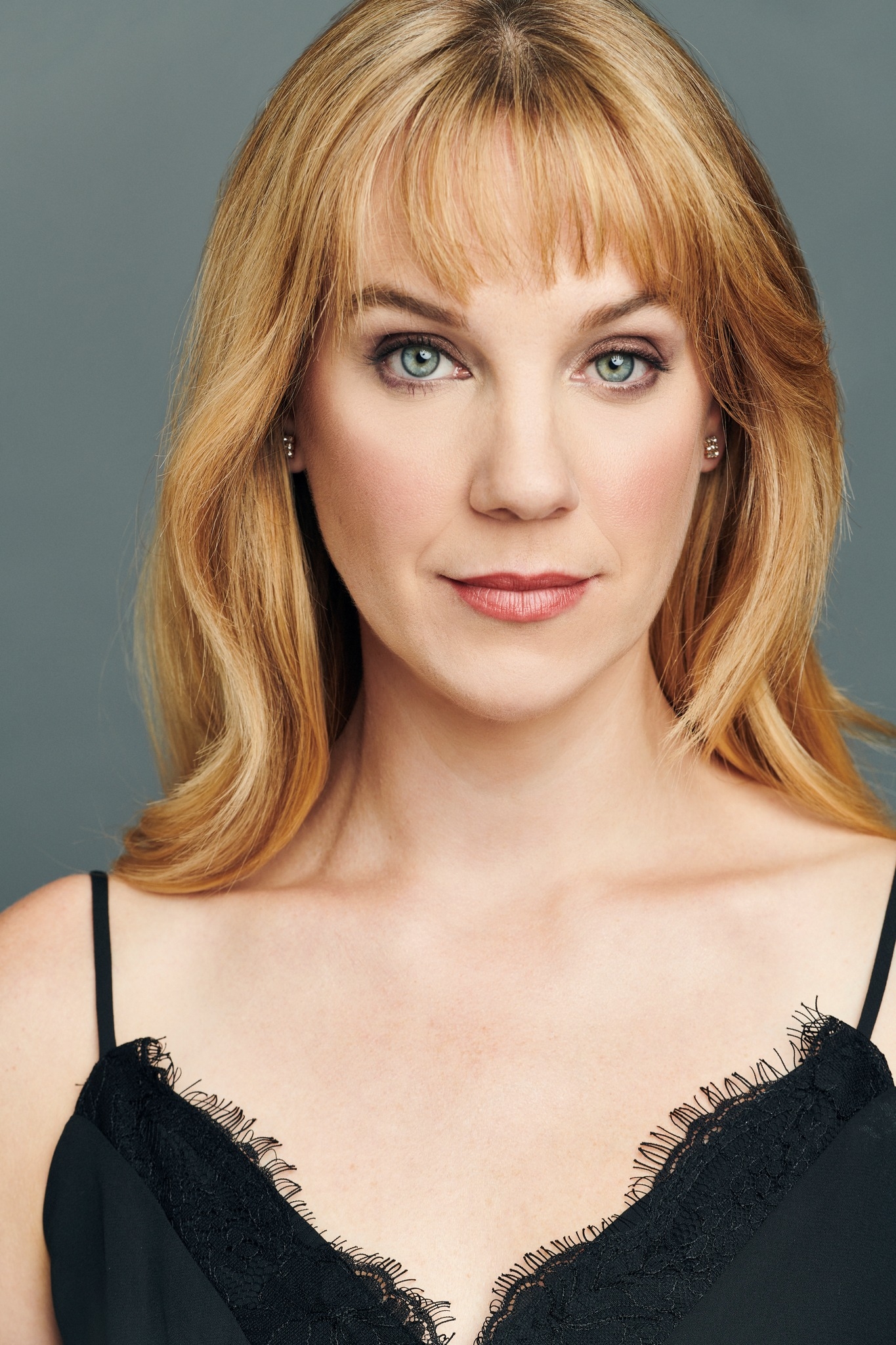
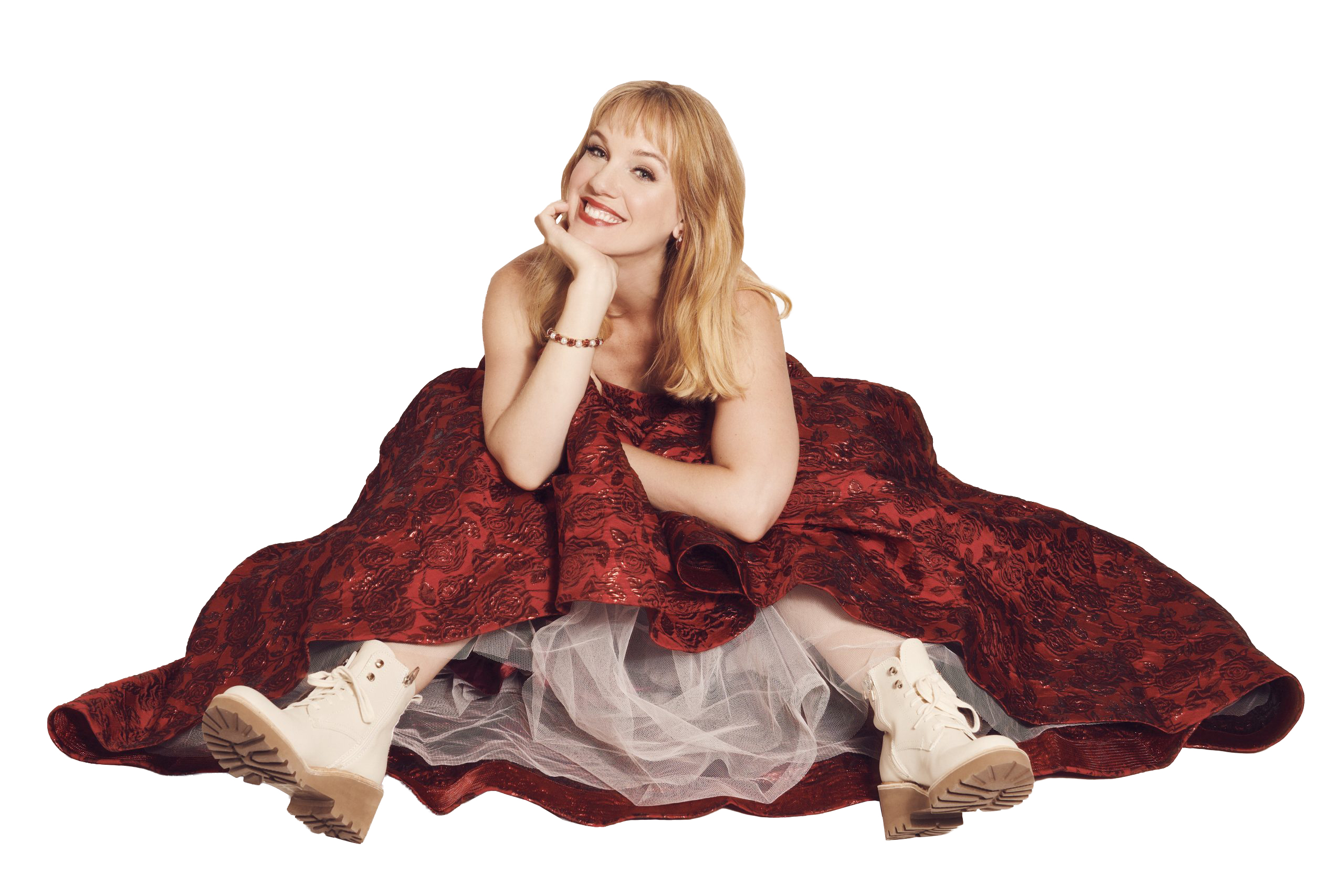
Broadway star Analisa Leaming (“The King & I,” “Hello Dolly,” “School of Rock”) takes the lead role as Eliza Doolittle, the flower seller who learns to speak like a lady from linguist Henry Higgins, performed by Trevor Martin.
The musical features classic favorite including “I Could Have Danced All Night,” “The Rain in Spain,” and of course, “Wouldn’t It Be Loverly.”
Enrico Lopez-Yañez, principal pops conductor of Pacific Symphony, who oversees the artistic direction of the Pops series, noted that “’My Fair Lady’ is nothing less than a fan-favorite for many Americans. Everyone from the cast to the creative team, orchestra and beyond brings a uniquely special touch to the performance and truly honors and appreciates the Broadway production, elevating the final product and audience experience.”
Lopez-Yañez said that the symphony has such a long history of doing the semi-staged operas that they started incorporating that concept into the pop series.
“You may have seen the Sweeney Todd that we did, which was a staged production,” he said. “This will be sort of the next iteration of that. We are going back to one of the all-time classics. “My Fair Lady” doesn’t get more iconic and golden age of Broadway than that. It’ll be a fabulous production with all the greatest hits from that show.”
“My Fair Lady” will be conducted by Adam Turner, a Broadway conductor and music director, so “I think it’s in good hands,” said Lopez-Yañez.
“My Fair Lady! In Concert” takes place Friday-Saturday, April 24-25 at 8 p.m. in the Renée and Henry Segerstrom Concert Hall. Tickets start at $50.
For more information or to purchase tickets for Pacific Symphony concerts, visit www.pacificsymphony.org.