“Historic Balboa Island Ferry may close due to state emissions requirements.”
That was the headline on March 30, 2023 when the Beek Family, which has owned the Balboa Island Ferry for more than 100 years, announced it was struggling to meet California Air Resources Board’s (CARB) stringent zero emission regulations that require all short run ferries in the state, mostly small privately held businesses, convert to electric engines by December 2025.
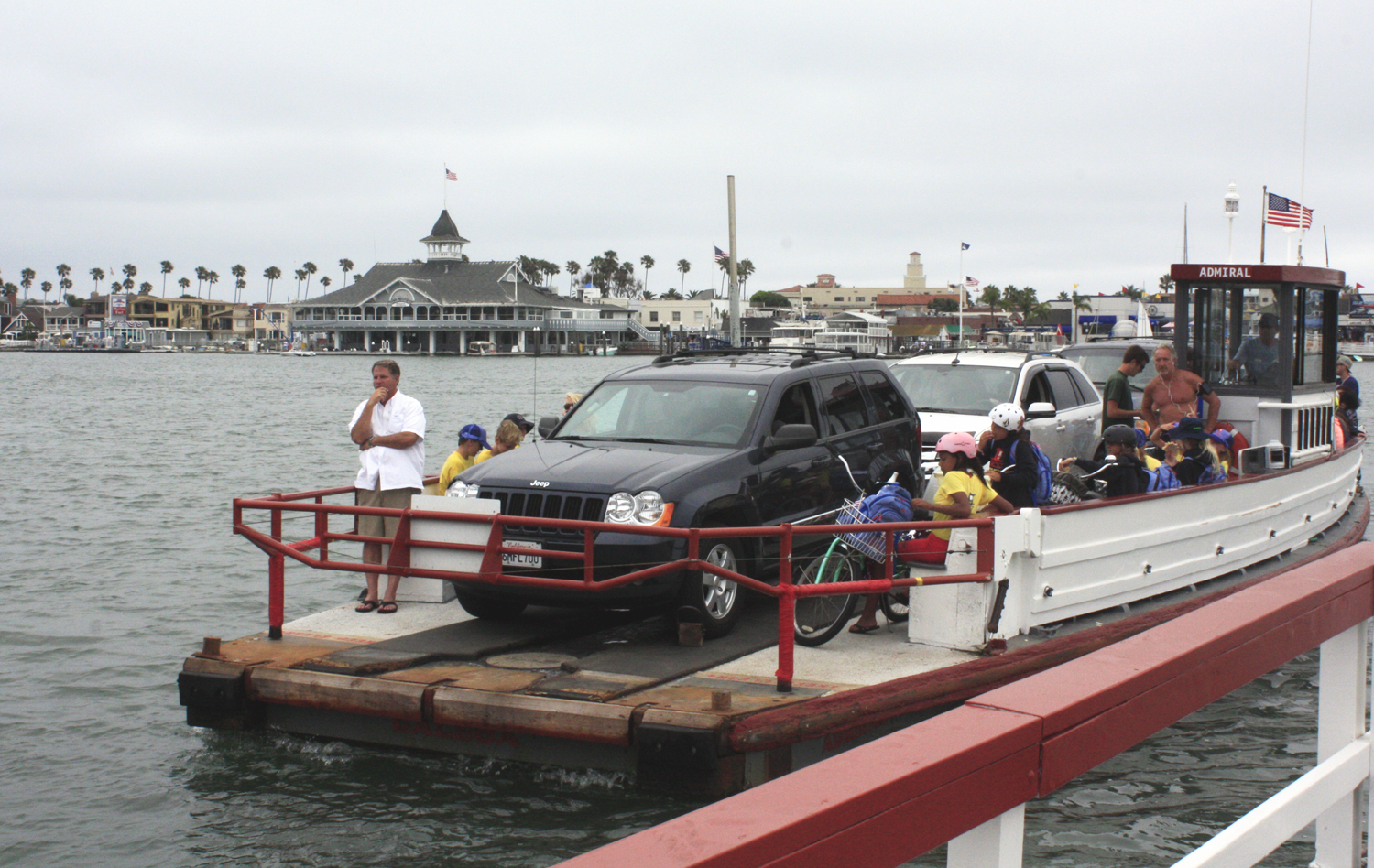
According to information provided by the Balboa Island Ferry company at the time, the conversion to electric was financially unfeasible and unrealistic for a small business like the Balboa Ferry, which went into service in 1919 to bring cars and passengers across 900 feet of water between Balboa Island and the Balboa Fun Zone.
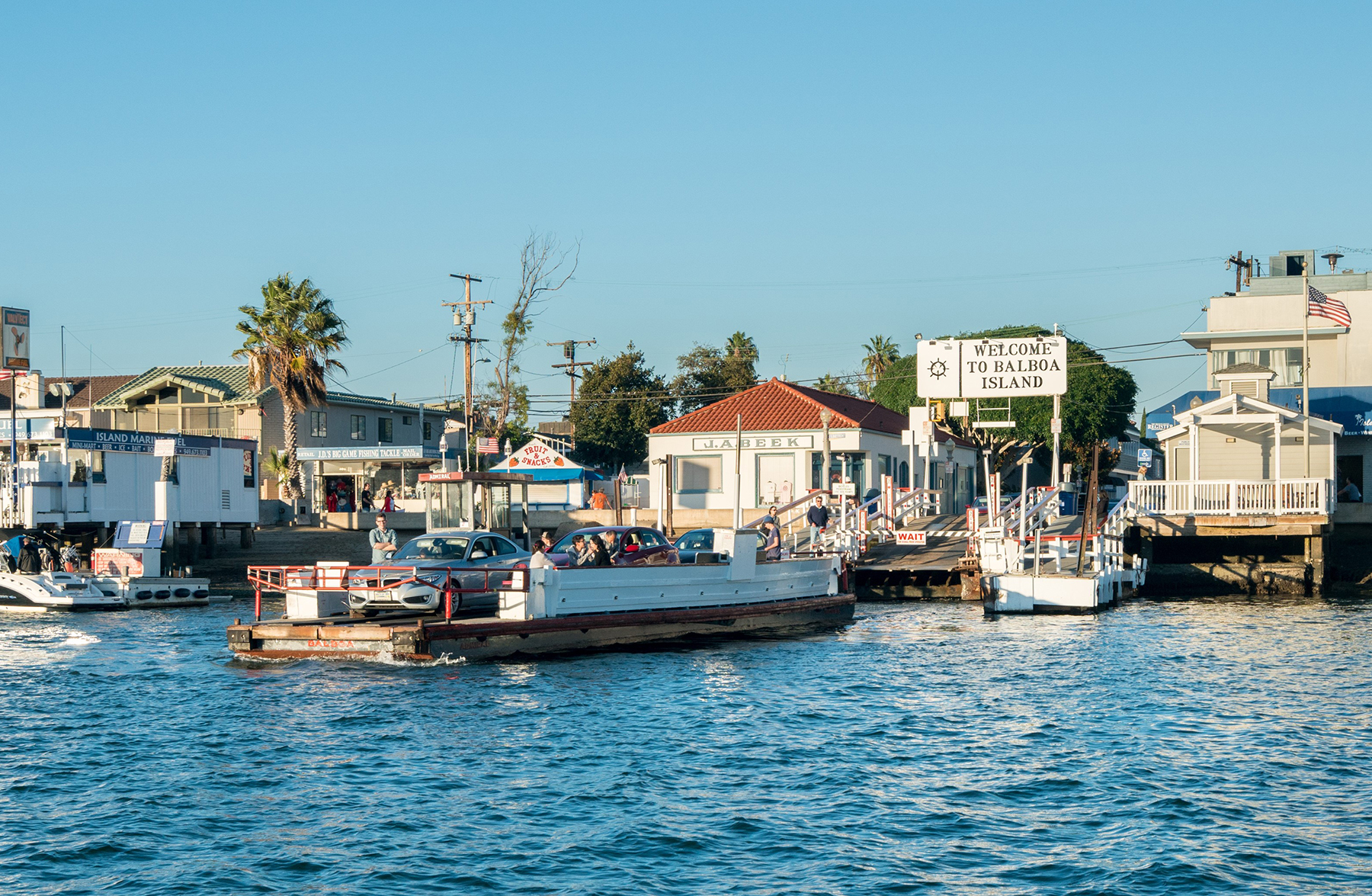
“The Balboa Island Ferry is part of our culture, it’s part of our heritage,” stated Gary Sherwin, President and CEO of Visit Newport Beach, when the 2023 announcement was made. “There are certain iconic attractions in California. The ferry is ours. We have the harbor and beaches, and the ferry is right up there when it comes to what makes us Newport Beach. It’s more than a transportation device; it is part of the uniqueness that separates us from other cities.”
Now, nearly three years later, The Balboa Island Ferry, South Coast Air Quality Management District (South Coast AQMD), and California Air Resources Board (CARB) announced the execution of contracts marking the official start of a landmark project to transition the Ferry’s entire fleet to 100 percent zero-emission electric vessels.
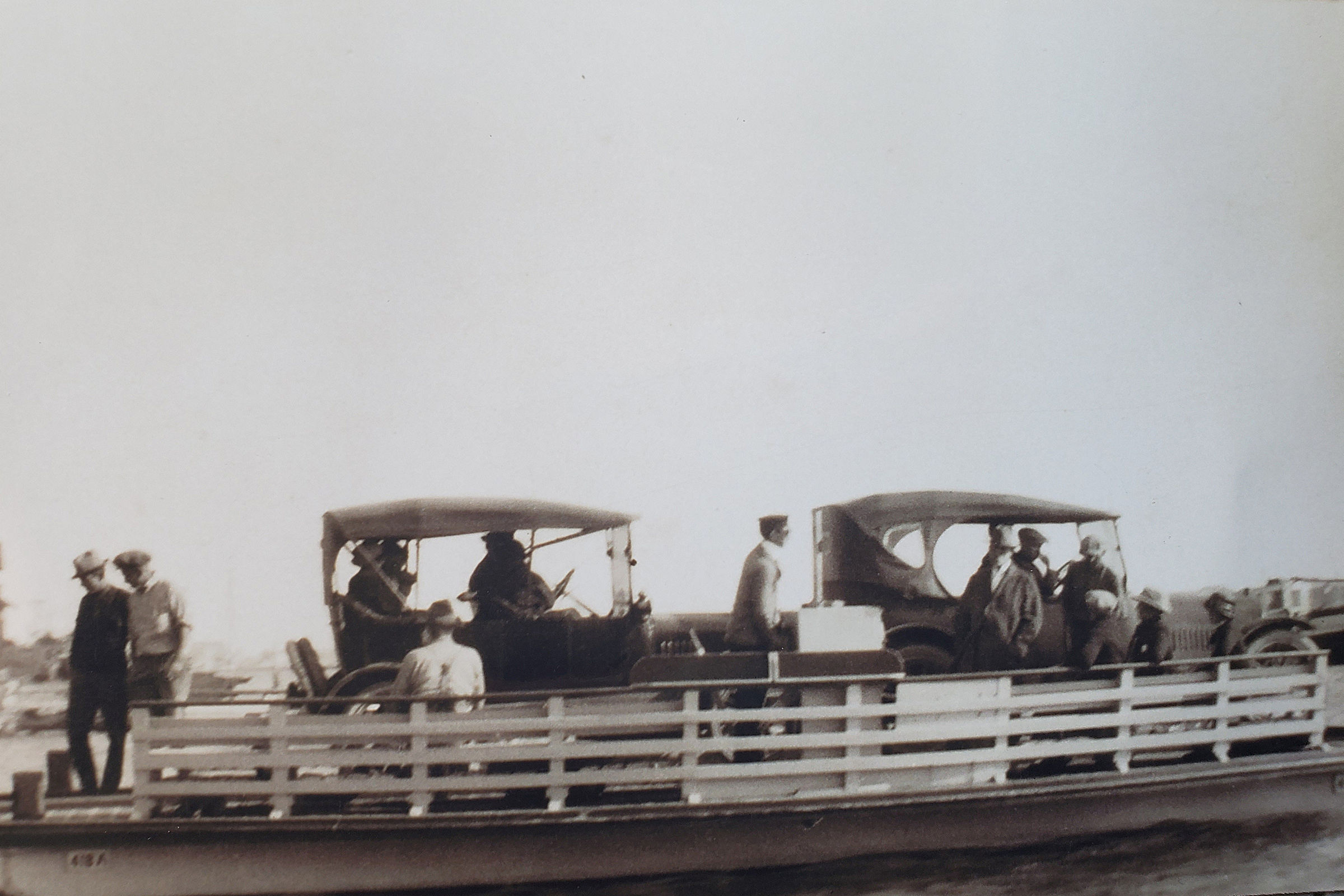
According to information from the Balboa Island Ferry Company, this initiative represents the first full-fleet ferry electrification project of its kind in California and is funded through CARB’s SHIFT program and California Climate Investments (CCI), administered by South Coast AQMD.
Under the executed agreements, Balboa Island Ferry will replace all three of its existing diesel-powered vessels with new battery-electric ferries and install shoreside charging infrastructure that will support daily operation. The project is designed to eliminate tailpipe emissions, improve local air quality, and advance statewide clean transportation goals with a focus on delivering community benefits.
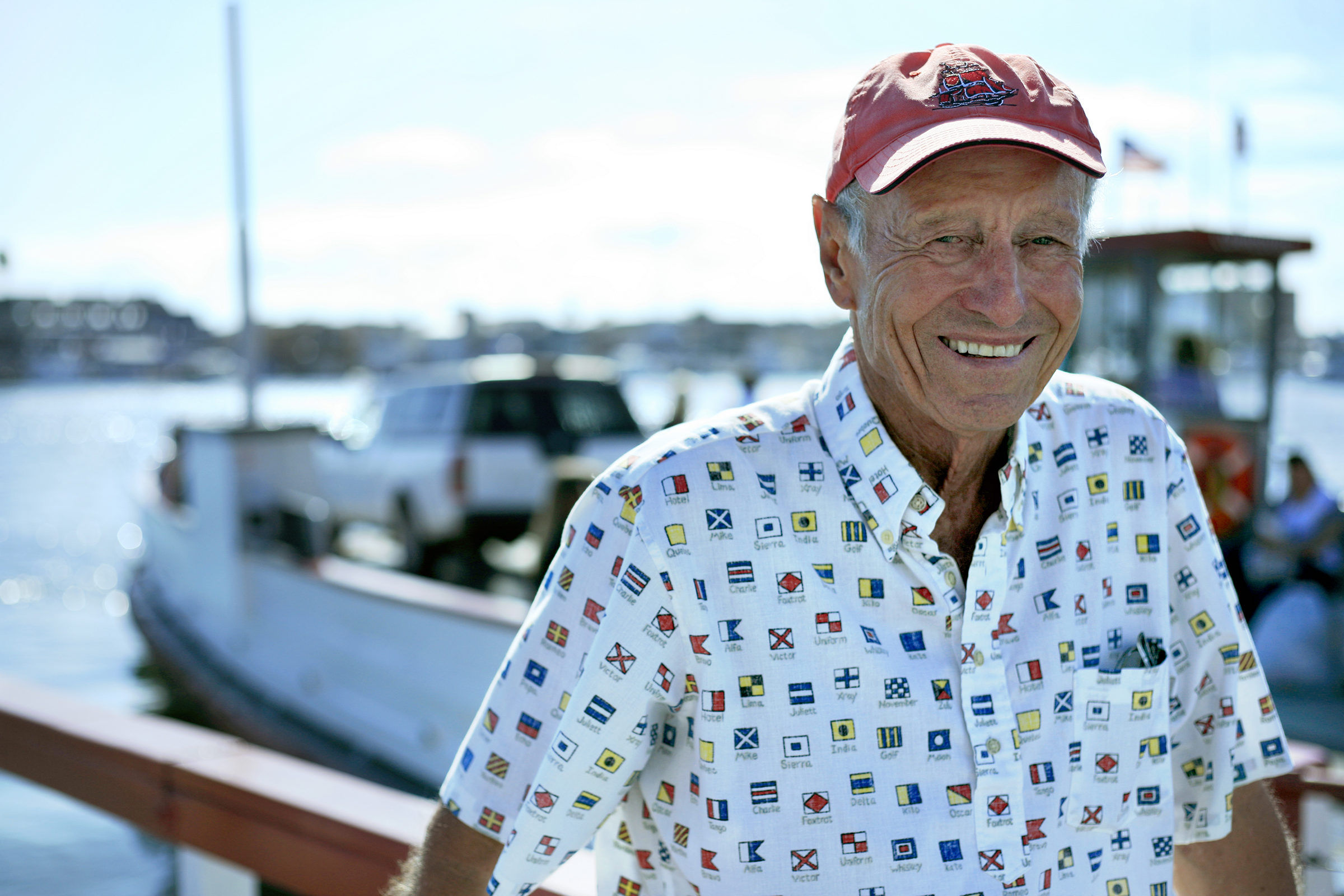
Seymour Beek, President of the Balboa Island Ferry, said “This partnership marks a transformative moment in the Ferry’s 100-plus-year history. The execution of these agreements with CARB and South Coast AQMD sets the stage for a new era of clean, quiet, and sustainable ferry service for residents and visitors alike.”
This project is part of Sustainable Heavy-Duty Initiatives for Future Technology (SHIFT), a program administered by the California Air Resources board and funded through California Climate Investments.
CARB’s mission is to promote and protect public health, welfare, and ecological resources through effective reduction of air pollutants while recognizing and considering effects on the economy. CARB is the lead agency for climate change programs and oversees all air pollution control efforts in California to attain and maintain health-based air quality standards.
SHIFT is an incentive program administered by the California Air Resources Board (CARB) supporting the development and demonstration of advanced, low- and zero-emission technologies for heavy-duty vehicles, off-road equipment, and goods movement. As a part of CARB’s Clean Transportation Incentives, SHIFT projects advance innovative on- and off-road solutions that reduce air pollution, improve public health and support California’s climate and air quality goals.
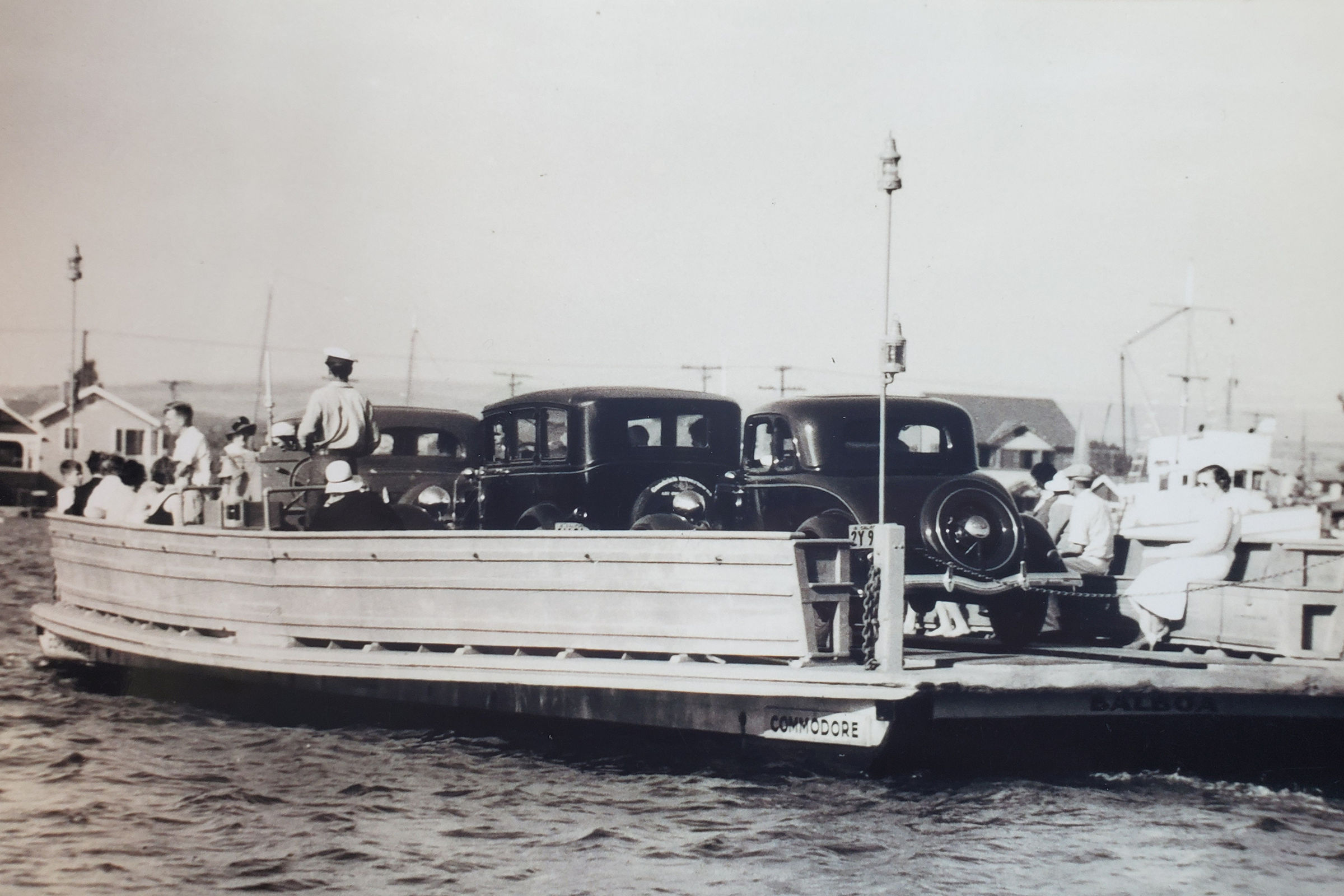
The Balboa Island Ferry provides essential daily transportation between Balboa Island and the Balboa Peninsula starting at 6:30 a.m. and running until midnight. The ferry service has carried millions of passengers and vehicles over its century of continuous service. The transition to zero-emission vessels will ensure the Ferry remains a sustainable, community-supported transportation asset for future generations.
Visit https://www.balboaislandferry.com for more information.